
The bag from your local roaster smelled incredible when you opened it on Saturday. By the following Thursday, you are making the same V60 before your 9am call, same grind setting, same 15g of coffee, and it tastes like a slightly sad version of itself. Nothing about your brewing has changed. What has changed is the coffee, and most of that change happened while it sat in your kitchen between cups.
Roasted coffee starts losing aroma from the day it is roasted, and nothing you do at home stops that completely. What you can control is how fast it happens. That comes down to how you buy, store and grind it, and fortunately none of it involves a vacuum canister that costs more than the beans.
What a Roast Date Can and Cannot Tell You
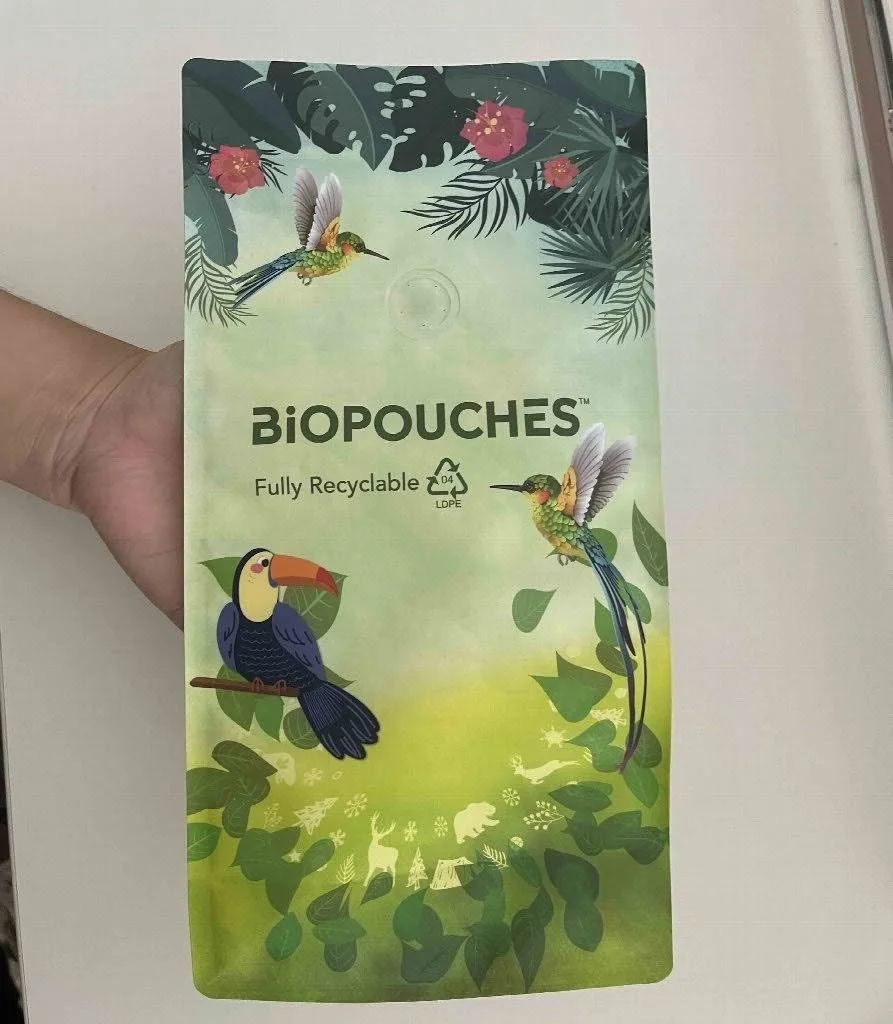
A roast date is the most useful thing printed on a bag of coffee, far more useful than a "best before" date, which can sit months in the future and tells you very little about flavour. The roast date tells you how old the coffee is.
What it cannot tell you is how the coffee has been treated since. A bag roasted three weeks ago and kept sealed in a cool cupboard can easily taste better than one roasted last week that has spent four days open on the worktop next to the kettle. Age matters, but storage decides how much of that age you can actually taste.
It is also worth knowing that "freshest" is not always "best". Coffee straight out of the roaster is still releasing a lot of carbon dioxide, which can get in the way of an even extraction, so many coffees taste better after resting for a few days. How long depends on the beans, the roast and how you brew. Espresso drinkers often wait a bit longer than people brewing filter.
Why Whole Beans Keep Their Flavour Longer
If you only change one thing, buy whole beans and grind them just before you brew.
A roasted bean holds most of its aromatic compounds inside its structure. Grinding smashes that structure into thousands of tiny particles, which massively increases the surface exposed to air. Many of the compounds responsible for coffee's aroma are volatile, meaning they escape easily, and once the bean is ground they have a short, easy route out. They also meet oxygen far more readily. That is why a bag of pre-ground coffee fades noticeably faster than the same coffee kept whole.
None of this means pre-ground coffee is a lost cause. If you do not own a grinder, buying smaller bags more often makes a real difference. Storing ground coffee in a sealed bag, rather than an open tin, helps more than you might expect.
Oxygen Is the Main Problem
Most stale coffee is really oxidised coffee. Oxygen reacts with the oils and aroma compounds in roasted beans, and over time that dulls the bright, sweet notes and leaves something flatter and sometimes papery. Heat speeds that reaction up, light adds to it, and moisture brings its own problems.
Which is awkward, because the obvious place to keep coffee in most UK kitchens is the cupboard directly above the kettle. It gets a cloud of steam several times a day and warms up nicely in the process. The shelf beside the hob is not much better. The glass jar of beans on a sunny windowsill looks lovely on Instagram and is doing the coffee no favours at all.
A cupboard away from the kettle, oven and window is the unglamorous answer. Then the job is to limit how much air gets to the beans and how often.
Why the Original Coffee Bag Matters More Than You Think
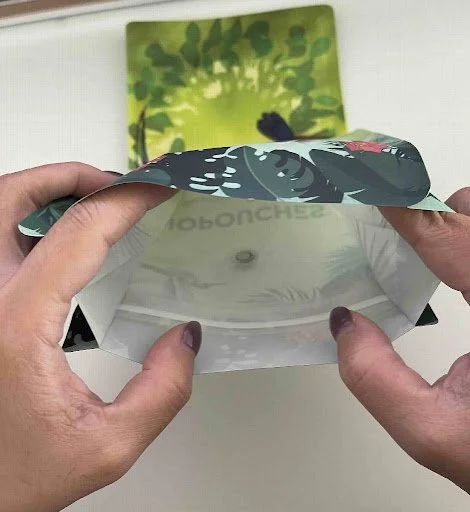
Most of us treat the bag the coffee came in as something to tip out and recycle, but it is doing quite a lot. We asked BioPouches, a coffee packaging manufacturer, to explain what is actually going on.
A good coffee bag is usually built from several layers of film, chosen to act as a barrier against oxygen and moisture. The small round valve on the front deals with the carbon dioxide coming off freshly roasted beans. Without it, a sealed bag would slowly puff up. A one-way valve lets that gas out while helping to stop outside air coming back in, which is exactly what an ordinary hole in the bag could not do.
"Roasted coffee keeps giving off carbon dioxide for a while after it is packed, so the valve gives that gas a way out while helping to keep outside air from coming back in through it. But the valve only works as part of the whole bag. If the film does not have the right barrier, or the seals are not good, the valve cannot make up for that."
Once you open the bag, the original heat seal is gone. A resealable zip does not restore that, but pressing the air out and closing it properly each time keeps exposure down. A well-made bag stored in a dark cupboard is often a better home for your coffee than a clear jar on the counter.
The Fridge and the Freezer
The fridge seems like a sensible idea, and for everyday coffee it usually is not. Coffee absorbs smells readily, so whatever is open in there will have a say in your morning cup. The bigger issue is condensation. Take cold beans out into a warm, humid kitchen and water condenses on them, the same way a cold can of drink gets wet on a summer's day. Do that every morning and you are repeatedly adding moisture to the coffee you were trying to protect.
The freezer works on a different principle and can genuinely help, as long as you avoid the same problem. If you have more coffee than you will get through soon, perhaps from a roaster's offer or an over-enthusiastic online order, freeze it early while it is still fresh. Split it into sealed portions of roughly a week's worth, take one out at a time, and let it come up to room temperature before you open it so condensation forms on the outside of the bag rather than on the beans. Once a portion has thawed, use it rather than putting it back.
Big Bags and Good Intentions
The 1kg bag is very tempting. It usually works out cheaper per cup, and it means not running out halfway through the week. The catch is that you open and close it every single day for a month or more, and the last few hundred grams pay for every one of those openings.
There is no universal answer to how long coffee stays fresh, because it depends on the beans, the roast, the bag and your storage. A reasonable rule is to buy a size you will finish in a few weeks. If the bulk bag still makes sense for your budget, the freezer approach above lets you keep the savings without drinking stale coffee at the end of it.
A Routine That Fits Around a Working Day
When you work from home, coffee tends to happen in the gaps: one before the first meeting, another mid-morning, and the one you make at 3pm because the afternoon has gone quiet. A routine only works if it fits into those gaps.
Keep the bag in its cupboard rather than on the worktop. Weigh or scoop only what you need for that brew, then squeeze the air out and seal the bag before you do anything else. Sealing it after the call has a way of becoming sealing it at the end of the day. Grind just before brewing, and if a bag is clearly going to outlast your good intentions, freeze some of it early in sealed portions.
That is the whole system. It adds perhaps ten seconds to each cup.
The Short Version
Most coffee that tastes stale at home has not gone off. It has simply spent too long meeting air, warmth and steam. Buy whole beans you will finish in a few weeks, keep them sealed and away from the kettle, and grind them just before brewing. Do that, and Thursday's coffee should taste a lot more like Saturday's.
